Archive

July 2025

Browsing

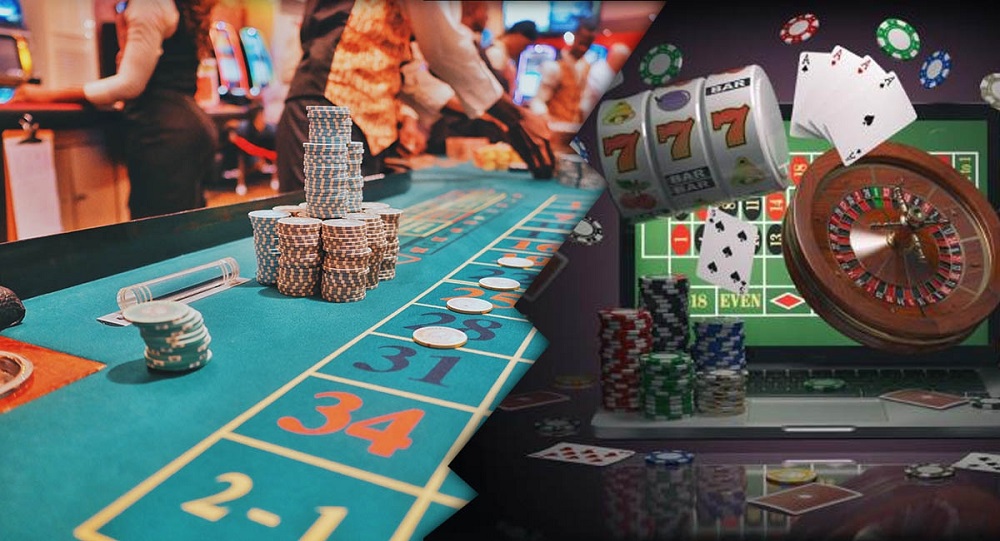
Casinos operate on a simple yet powerful principle rooted in mathematics: the house always wins. This phrase isn’t just a saying—it reflects a calculated system of probabilities, odds, and long-term statistical advantage designed to ensure that, over time, the casino consistently profits regardless of short-term outcomes. Understanding the mathematics of casino odds reveals how every game, from roulette to blackjack, operates under the laws of probability and expectation, subtly ensuring the house maintains its edge while keeping players engaged through the illusion of chance and potential reward.

The Concept of House Edge

The foundation of casino profitability is the house edge, a mathematical advantage built into every game. It represents the average percentage of each wager that the casino expects to retain over the long run. This percentage might appear small, often between 1% and 5%, but when multiplied by thousands of players and millions of bets, it guarantees substantial profit.

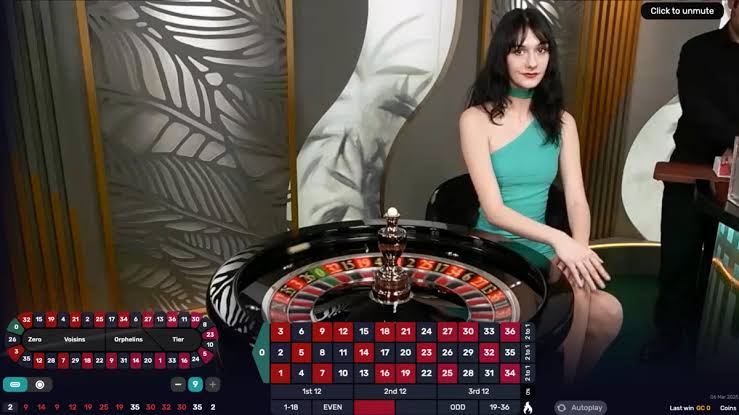
For example, in American roulette, there are 38 slots—numbers 1 through 36, plus 0 and 00. If a player bets on a single number, the payout is 35 to 1. However, the true odds of winning are 1 in 38, meaning the expected return per dollar bet is only about 94.74 cents. That 5.26-cent difference is the house edge. While a player might win occasionally, over many spins, the mathematics ensure the casino’s profitability.

Why the House Edge Matters

  • It determines long-term profitability for casinos.
  • It provides consistency in financial forecasting.
  • It influences payout structures and game design.
  • It allows casinos to operate sustainably while offering entertainment value.

Every casino game, whether skill-based or purely random, incorporates the house edge as a built-in form of insurance. This is why understanding the mathematical principles behind it is crucial for players seeking to make informed decisions.

Probability and Expected Value in Casino Games

In the world of gambling mathematics, probability and expected value (EV) are fundamental concepts. Probability measures the likelihood of a specific outcome, while expected value calculates the average amount a player can expect to win or lose per bet in the long run.

The formula for expected value is:
EV = (Probability of Winning × Amount Won per Bet) – (Probability of Losing × Amount Lost per Bet)

For example, consider a bet on red in roulette. There are 18 red numbers, 18 black numbers, and 2 green (0 and 00) numbers. The probability of winning is 18/38, and losing is 20/38. The payout is 1:1, meaning a $1 bet returns $1 profit if successful.
Using the formula:
EV = (18/38 × $1) – (20/38 × $1) = -$0.0526
This means for every dollar wagered, the player loses an average of 5.26 cents—precisely the house edge in action.

Variance and Standard Deviation: The Illusion of Luck

Casinos thrive on variance, the short-term fluctuation in results that creates the illusion of luck. While probability dictates long-term outcomes, variance ensures that players experience winning streaks, keeping them engaged and emotionally invested.

A player may win several hands of blackjack or hit a big slot jackpot, but over enough time and plays, the law of large numbers brings results back to the expected mathematical averages favoring the house. This is what creates the illusion of fairness and possibility while the underlying statistics remain unchanged.

Key Points about Variance:

  • It fuels excitement and unpredictability.
  • It allows some players to win big, promoting casino popularity.
  • It ensures that, despite fluctuations, the house’s advantage remains intact.

Without variance, gambling would feel predictable and mechanical, reducing player interest. Casinos rely on this natural randomness to maintain entertainment value while the mathematics guarantee long-term profitability.

The Role of Game Design in Maintaining the Edge

Game designers use mathematics not only to calculate odds but also to craft engaging experiences. Each game balances risk, reward, and entertainment value while maintaining profitability. The structure of payouts, probabilities, and betting options all stem from mathematical precision.

Examples of Mathematical Game Design:

  • Slot Machines: Operate based on Random Number Generators (RNGs) that simulate chance while maintaining a predetermined Return to Player (RTP). If a slot advertises a 95% RTP, it means over millions of spins, the machine returns 95% of all wagered money to players while keeping 5% for the casino.
  • Blackjack: Skill-based elements such as strategy and card counting can reduce the house edge from 2% to less than 1%. However, casinos adjust rules (like restricting double downs or reshuffling frequently) to preserve their advantage.
  • Craps: The variety of bets offers different edges, from under 1% for pass line bets to over 10% for proposition bets, showing how casinos balance high-risk and low-risk options to cater to different players.

Every rule, bet type, and payout ratio has been carefully calculated to ensure profitability without deterring players through excessively high odds.

The Law of Large Numbers: Predictability in the Long Run

The Law of Large Numbers is the principle that underpins the entire casino industry. It states that as the number of trials increases, the average outcome will converge on the expected value. This is why casinos are confident that, no matter how many jackpots are paid or streaks occur, the long-term results always favor them.

For instance, while a player might double their money in one night, the casino’s profits are measured across millions of spins, hands, or rolls. Over time, the small statistical advantages embedded in each game ensure consistent revenue.

Psychological Reinforcement and Mathematical Design

Beyond raw probability, casinos use psychological and behavioral design rooted in mathematics to influence player decisions. These mechanisms include:

  • Near Misses: Slot machines often display near-win combinations that trigger dopamine responses, encouraging continued play.
  • Variable Rewards: Unpredictable payouts keep players engaged longer, a principle derived from behavioral psychology.
  • Low Denomination Bets: Small bet sizes lower perceived risk, allowing more wagers and maximizing the effect of the house edge over time.

By combining psychological triggers with precise mathematical design, casinos ensure prolonged engagement while maintaining their advantage.

Risk Management and Casino Operations

Casinos are not just entertainment venues; they are finely tuned risk management systems. Mathematicians, often called gaming analysts, continuously monitor odds, payouts, and player data to maintain balance.

Their responsibilities include:

  • Ensuring games comply with probability standards.
  • Monitoring payout percentages for consistency.
  • Detecting anomalies that could indicate advantage play or system flaws.
  • Optimizing promotions to encourage profitable play without compromising the house edge.

This meticulous control ensures that the casino remains financially stable while offering games that appear fair and enticing.

Real-Life Examples of Mathematical Advantage

  1. Roulette: With a 5.26% house edge, an average of $5.26 per $100 wagered stays with the casino. Multiply this by thousands of players daily, and the result is guaranteed revenue.
  2. Blackjack: Even with optimal strategy, the house retains an edge of around 0.5% due to rule variations. Over thousands of hands, this margin generates steady profit.
  3. Craps: Bets with low odds attract experienced players, but high-risk bets appeal to casual gamblers, balancing both entertainment and profitability.
  4. Slots: Often programmed with RTPs between 90% and 97%, slot machines ensure constant returns through sheer volume of play.

These examples illustrate that no matter the short-term fluctuations, the casino’s mathematical design ensures consistent success.

The Player’s Perspective: Managing Risk and Expectation

Understanding the mathematics of casino odds empowers players to make informed decisions. While the house advantage cannot be eliminated, strategic play can minimize losses and extend entertainment value.

Smart Player Strategies:

  • Choose games with the lowest house edge, such as blackjack or baccarat.
  • Learn optimal strategies for skill-based games to reduce disadvantage.
  • Set strict time and money limits before playing.
  • Avoid side bets and high-volatility wagers that increase losses over time.

Awareness of mathematical principles allows players to view gambling as entertainment rather than a means of profit, leading to more responsible and enjoyable experiences.

The Role of Regulation and Fair Play

Regulatory authorities ensure casino games operate within mathematical fairness parameters. Auditors regularly test RNGs, payout ratios, and house edge consistency to maintain integrity. Transparent disclosure of odds and RTP percentages ensures players understand the probabilities before wagering.

Casinos that operate under strict regulation maintain trust and credibility, reinforcing the principle that while the house always wins statistically, the games remain fair and unbiased.

The Unchanging Truth Behind Casino Mathematics

Mathematics ensures that every spin, shuffle, or roll is a part of a larger predictable system. Casinos may appear to operate on luck, but beneath the surface lies a foundation of statistical certainty. Every payout structure, rule adjustment, and game mechanism serves the purpose of reinforcing the house edge over time.

The genius of casino mathematics is that it transforms random chance into structured profit. Players may win in the short term, but probability and expected value ensure the house remains profitable in the long run.

FAQs

Why does the house always win?
Because every casino game has a built-in statistical advantage ensuring long-term profitability. The house edge, even when small, guarantees consistent profit over many bets.

Can a player beat the house using skill?
In some games like blackjack or poker, skill can reduce the edge but not eliminate it. Over time, probability still favors the house.

Which games have the lowest house edge?
Games like blackjack, baccarat, and certain craps bets offer the lowest house edges, often below 1% when played optimally.

What is the difference between RTP and house edge?
RTP (Return to Player) indicates the percentage of total bets returned to players, while the house edge is the percentage the casino retains. If a game has a 96% RTP, the house edge is 4%.

How do casinos ensure randomness in games?
Casinos use Random Number Generators (RNGs) and regular audits by independent agencies to guarantee fair outcomes consistent with mathematical probabilities.

The mathematics of casino odds: how the house always wins is not about deception but design. By blending probability, psychology, and game theory, casinos create experiences that feel unpredictable yet always lead to the same outcome—the steady, calculated advantage of the house.

Gambling has always occupied a unique space in human culture—thrilling, social, and rooted in risk-taking. For some, it’s an exciting pastime that adds an element of fun to their leisure time. For others, it becomes a consuming behavior that can spiral into a compulsive addiction. Understanding gambling as entertainment vs gambling as addiction requires a deeper look into the psychology, behavior patterns, and societal dynamics that separate casual enjoyment from harmful dependency. This balance between recreation and risk is what makes gambling both alluring and dangerous when not managed responsibly.

The Dual Nature of Gambling

At its core, gambling is a form of entertainment. Players engage in it to experience excitement, challenge probability, and enjoy social interaction. However, the very elements that make it enjoyable—the suspense, reward system, and unpredictability—are also what can lead to addiction in susceptible individuals. The difference between these two outcomes lies in control, awareness, and intent.

Key Distinction

  • Entertainment Gambling: A conscious, controlled activity where financial loss is viewed as the cost of enjoyment, much like paying for a movie or concert.
  • Addictive Gambling: A compulsive, uncontrolled behavior driven by the psychological need to chase losses or replicate past wins, often resulting in financial, emotional, and social harm.

Recognizing this distinction is critical for promoting responsible gambling behavior while identifying early warning signs of dependency.

Gambling as Entertainment

When practiced responsibly, gambling can provide excitement, social engagement, and mental stimulation. The entertainment value of gambling lies not just in the potential for monetary reward, but in the experience itself.

Psychological Appeal of Recreational Gambling

The human brain thrives on anticipation and reward. Games of chance create brief, stimulating bursts of adrenaline and dopamine—neurochemicals associated with pleasure and motivation. For casual players, these effects enhance enjoyment without leading to compulsive behavior.

Some of the core elements that make gambling entertaining include:

  • Social Interaction: Casinos, poker rooms, and online gaming platforms often serve as social spaces where people share experiences, stories, and competition.
  • Strategic Thinking: Games like poker and blackjack require skill, probability assessment, and decision-making, offering intellectual engagement.
  • Escapism: Gambling provides temporary detachment from daily stresses, offering excitement and focus on the game itself.
  • Controlled Risk: The thrill of uncertainty attracts people who enjoy measured risk-taking, similar to investing or sports betting for entertainment.

The entertainment aspect thrives when gambling is approached with boundaries—time limits, spending caps, and a clear understanding that the house always has an edge.

Behavioral Traits of Entertainment Gamblers

  • Set a fixed budget and stick to it.
  • View gambling as leisure, not income.
  • Accept losses as part of the experience.
  • Do not chase losses or feel anxious about results.
  • Maintain other hobbies and interests outside of gambling.

When practiced in this way, gambling functions much like other forms of paid recreation—stimulating, enjoyable, and self-contained.

Gambling as Addiction

Addictive gambling, on the other hand, transcends entertainment and becomes a compulsion. Known clinically as Gambling Disorder, it is categorized as a behavioral addiction in the DSM-5, alongside substance addictions. This classification acknowledges that gambling addiction activates the same reward pathways in the brain as drugs or alcohol, reinforcing harmful cycles of behavior.

The Science Behind Gambling Addiction

When someone wins a bet, their brain releases dopamine, a neurotransmitter linked to pleasure and reinforcement. Over time, repeated exposure to the highs and lows of gambling rewires the brain’s reward circuitry. The gambler begins to crave the process of gambling itself rather than the outcome. Even losses can trigger arousal, perpetuating the need to continue playing.

As tolerance builds, gamblers often increase their wagers, frequency, or risk level to achieve the same psychological satisfaction. Eventually, the activity shifts from entertainment to obsession, leading to emotional distress and financial collapse.

Warning Signs of Problem Gambling

Recognizing the transition from entertainment to addiction can prevent long-term harm. Common indicators include:

  • Gambling with money needed for essential expenses.
  • Lying about gambling habits or hiding losses from family.
  • Feeling restless or irritable when not gambling.
  • Chasing losses by increasing bets.
  • Borrowing money or accruing debt to continue gambling.
  • Neglecting relationships, work, or responsibilities.

These signs reflect loss of control, where gambling becomes less about fun and more about escaping reality or achieving psychological relief.

The Role of Reward Systems and Near Misses

Both entertainment and addictive gambling are fueled by the same neurological mechanisms—but addiction exploits them more severely. Modern casino and online games are designed using variable reinforcement schedules, meaning rewards come unpredictably. This randomness is highly effective in conditioning behavior, much like how social media notifications keep users engaged.

Near-miss experiences, such as getting two matching symbols on a slot machine and narrowly missing the third, stimulate the brain in the same way as a win. This reinforces continued play, convincing the gambler they are “close” to success, even when statistically they are not. For recreational players, this effect is exciting; for addicts, it becomes a psychological trap.

Financial and Emotional Consequences of Addiction

When gambling crosses into addiction, the consequences are severe and far-reaching. Financial instability is often the first and most visible outcome. Addicted gamblers may drain savings, accumulate debt, or resort to illegal activities to sustain their habit. However, the emotional toll is equally destructive.

Common Impacts of Gambling Addiction:

  • Financial Ruin: Bankruptcy, unpaid bills, and loss of property.
  • Relationship Breakdown: Secrecy and deceit damage trust with partners, family, and friends.
  • Mental Health Decline: Increased anxiety, depression, and even suicidal thoughts.
  • Social Isolation: Shame and guilt lead to withdrawal from loved ones.
  • Physical Effects: Stress from financial and emotional strain may lead to insomnia, headaches, or cardiovascular issues.

These consequences demonstrate that while gambling can begin as harmless fun, it has the potential to evolve into a devastating cycle if not managed with discipline.

The Fine Line Between Control and Compulsion

The transition from entertainment to addiction is often gradual and difficult to recognize. Many individuals believe they are in control long after losing it. One of the strongest predictors of addiction is chasing losses, a behavior where gamblers increase bets in an attempt to recover previous losses. This mindset transforms rational play into emotional decision-making, driven by desperation rather than strategy.

Understanding that gambling outcomes are purely probabilistic helps maintain perspective. No amount of skill or persistence can alter the mathematical odds built into games of chance. Accepting this fact is essential for avoiding the trap of compulsive gambling.

The Importance of Responsible Gambling Practices

Responsible gambling is the cornerstone of maintaining gambling as a safe and enjoyable form of entertainment. It involves self-awareness, boundaries, and access to support when needed.

Effective Responsible Gambling Strategies

  • Set a budget before gambling and never exceed it.
  • Treat gambling as a leisure expense, not an investment.
  • Take regular breaks during gambling sessions.
  • Avoid gambling under emotional distress or influence of substances.
  • Use self-exclusion tools or deposit limits available on gaming platforms.
  • Recognize when gambling stops being fun and seek help early.

These practices promote a healthy relationship with gambling by maintaining control over both time and money.

Societal and Cultural Perspectives

Cultural attitudes toward gambling greatly influence how it is perceived and practiced. In some societies, it is seen as a form of recreation integrated into social life, while in others, it carries moral or religious stigma. The rise of online gambling has further blurred the boundaries, making gambling more accessible than ever before.

Accessibility increases participation, but it also raises concerns about underage gambling, addiction rates, and financial exploitation. Awareness campaigns, educational initiatives, and responsible advertising play crucial roles in mitigating these risks.

Technological Influence: Digital Gambling and Addiction Risk

The digital age has transformed gambling from a location-based activity to an always-available form of entertainment. Mobile casinos, online poker, and sports betting apps provide instant access, increasing the risk of impulsive and prolonged play. Features like push notifications, bonus offers, and gamified interfaces make it harder for vulnerable players to disengage.

Preventive Digital Tools

  • Deposit and loss limits to prevent excessive spending.
  • Reality checks and time reminders during play.
  • AI-driven behavioral monitoring to detect problematic patterns.
  • Self-exclusion programs and support chat features.

These technological safeguards help maintain balance, but awareness and self-control remain the most effective defenses.

Treatment and Recovery from Gambling Addiction

Overcoming gambling addiction is possible with proper intervention and support. Treatment focuses on addressing both behavioral and emotional triggers. Cognitive Behavioral Therapy (CBT) is one of the most effective approaches, helping individuals reframe thought patterns and develop healthier coping mechanisms.

Support groups and counseling services also provide crucial assistance, offering accountability and community for those in recovery. Financial counseling can aid in restructuring debts, while family therapy helps rebuild trust and repair relationships.

FAQs

What are the main psychological differences between gambling for fun and gambling as addiction?
Recreational gambling activates pleasure centers briefly, while addictive gambling triggers compulsive reward-seeking behavior driven by dopamine imbalance and emotional dependency.

Can someone transition from being a casual gambler to an addict?
Yes. The shift often occurs gradually as the individual loses control over time, increasing frequency and stakes while chasing emotional highs or financial recovery.

Is online gambling more addictive than in-person gambling?
Potentially, yes. The accessibility, anonymity, and 24/7 availability of online gambling make it easier for individuals to lose track of time and money.

What are effective steps for preventing gambling addiction?
Set strict financial limits, gamble only when emotionally balanced, avoid chasing losses, and use responsible gambling tools provided by platforms.

Can gambling addiction be cured?
While it cannot always be “cured” in the traditional sense, it can be managed successfully with therapy, support systems, and long-term behavioral change.

Understanding gambling as entertainment vs gambling as addiction reveals a delicate psychological balance between enjoyment and compulsion. Gambling can be a thrilling and social pastime when approached with self-awareness and limits. However, without control and understanding of its underlying mechanisms, it can transform into a destructive force that consumes finances, relationships, and mental well-being. The difference lies not in the games themselves, but in how responsibly they are played.

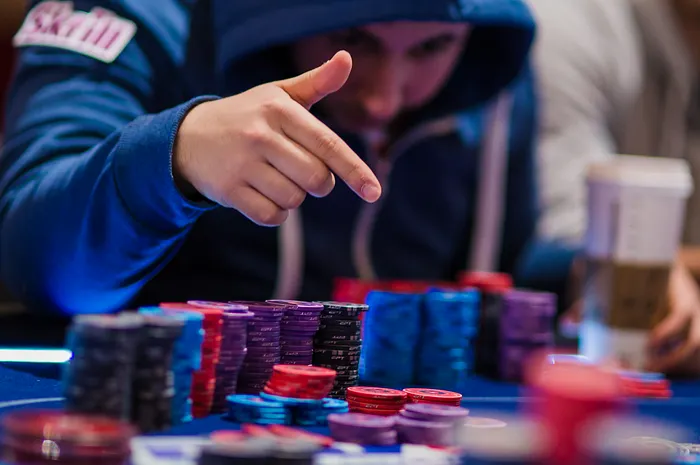
Poker is more than a game of luck; it’s a calculated blend of probability, psychology, and disciplined risk management. The ability to manage uncertainty separates casual players from professionals who treat the game as a strategic pursuit. Understanding how professional poker players manage risk reveals insights that go far beyond the felt—it reflects principles applicable to finance, business, and decision-making in high-stakes environments. Professionals view every hand not as a gamble but as an investment in long-term profitability, driven by mathematics, observation, and mental resilience.

The Core Philosophy of Risk Management in Poker

At its foundation, poker is a game of incomplete information. Players must make decisions with limited knowledge about their opponents’ cards and intentions, creating inherent risk in every action. What defines a professional is not avoiding risk but managing it with precision.

Unlike recreational players who focus on short-term outcomes, professionals think in terms of expected value (EV)—the average result of a decision repeated countless times. Each choice, whether to call, fold, or raise, is measured by its long-term profitability.

The professional mindset can be summarized by three guiding principles:

  • Minimize losses, not just maximize wins.
  • Play the odds, not emotions.
  • Accept short-term variance as part of long-term success.

This perspective allows them to handle swings in fortune with discipline, focusing on statistical advantage rather than short-term results.

Bankroll Management: The Foundation of Longevity

Bankroll management is the single most critical component of risk control in professional poker. It ensures that a player’s financial base can withstand inevitable downswings and maintain stability over time.

A professional poker player never risks money they cannot afford to lose. Instead, they maintain a bankroll separate from personal finances, structured according to the stakes they play and their risk tolerance.

Key Bankroll Management Strategies

  1. Establishing Proper Buy-In Ratios
    Professionals typically follow strict guidelines such as having 50 to 100 buy-ins for cash games or tournaments. For example, if they play $1,000 buy-in events, their bankroll might range between $50,000 and $100,000 to absorb variance.
  2. Adjusting Stakes Dynamically
    When a downswing occurs, professionals lower their stakes temporarily to protect capital. Conversely, during winning streaks, they may cautiously move up. This fluid adjustment helps avoid catastrophic losses.
  3. Avoiding Emotional Spending
    Bankroll discipline extends to emotional control. Professionals never chase losses by playing above their means or altering their strategy impulsively. Every wager aligns with long-term expected value, not ego.

By treating their bankroll like a business investment, professional players ensure survival even during extended losing periods, allowing skill to manifest statistically over time.

Probability and Expected Value in Decision Making

Professional poker players think like mathematicians. Every decision at the table is grounded in probability and expected value (EV) rather than instinct alone.

Understanding Expected Value (EV)

Expected value quantifies the profitability of a decision by comparing potential outcomes weighted by probability. For instance, if a player has a 40% chance to win a $1,000 pot and must call a $300 bet, the EV is:
EV = (0.40 × 1000) – (0.60 × 300) = 400 – 180 = +220
This positive EV means the decision is profitable over time, even if it loses occasionally.

Using Pot Odds and Implied Odds

Pot odds compare the cost of a call to the potential payout, helping players determine whether a decision is mathematically justified. Professionals also calculate implied odds—the additional money they could win in future betting rounds if they hit their hand.

By grounding every move in quantitative reasoning, professionals eliminate guesswork and maintain consistent profitability regardless of short-term outcomes.

Emotional Regulation and Tilt Control

Emotional stability is the backbone of professional poker success. “Tilt”—a state of emotional frustration that leads to irrational decisions—is the enemy of disciplined play. Managing emotions under pressure distinguishes elite players from amateurs.

Common Emotional Challenges

  • Bad Beats: Losing a hand despite having statistical advantage.
  • Downswings: Extended losing streaks that test mental endurance.
  • Ego Battles: Trying to outplay specific opponents instead of making optimal choices.

Methods of Emotional Control

  1. Mindfulness and Meditation: Many professionals practice meditation to maintain focus and reduce emotional reactivity during sessions.
  2. Session Review and Self-Awareness: Reviewing mistakes after play helps identify emotional triggers and improve self-discipline.
  3. Pre-Game Routines: Professionals often follow consistent warm-up rituals to enter a focused mental state before competing.

By viewing every decision objectively, professionals avoid emotional traps and preserve a clear, logical mindset even under pressure.

Information Management and Risk Reduction Through Observation

Poker is not played in a vacuum; it’s a game of information asymmetry. Every piece of data—bet sizing, timing, facial expressions, and past behavior—offers clues that reduce uncertainty. Professionals leverage pattern recognition to make data-driven reads, minimizing risk through informed inference.

Techniques Professionals Use to Manage Information Risk

  • Profiling Opponents: Categorizing players as tight, aggressive, passive, or unpredictable to anticipate their likely actions.
  • Bet Sizing Analysis: Understanding that a small or large bet often signals specific ranges of hands.
  • Balancing Tells and Deception: Managing their own body language and timing to prevent giving away information while exploiting opponents’ tendencies.
  • Game Theory Optimization (GTO): Using mathematical equilibrium strategies to make decisions that cannot be exploited in the long run.

By mastering these elements, professionals transform uncertainty into measurable advantage, reducing overall risk exposure.

Variance and Statistical Resilience

Variance is the unavoidable fluctuation between short-term results and long-term probabilities. Even the best players experience losing streaks due to randomness. The key lies in accepting variance without allowing it to disrupt focus or financial stability.

How Professionals Handle Variance

  1. Long-Term Thinking: Viewing success over thousands of hands rather than a single session.
  2. Consistent Data Analysis: Tracking every hand played using software tools to identify variance versus genuine performance issues.
  3. Psychological Detachment: Understanding that luck influences outcomes in the short term, but skill dominates in the long run.

Variance management is a defining trait of professionalism, allowing players to continue executing optimal strategies regardless of temporary adversity.

Risk Diversification in Poker

Just as investors diversify portfolios, professional poker players diversify their income sources and game selections to mitigate risk. They recognize that relying solely on one format or stake can expose them to unnecessary volatility.

Diversification Strategies

  • Mixing Game Formats: Balancing between cash games, tournaments, and online sessions to stabilize income streams.
  • Multiple Stake Levels: Playing both mid- and high-stakes tables ensures flexibility depending on bankroll conditions.
  • Coaching and Content Creation: Many professionals supplement income by teaching or producing educational content, reducing financial dependency on variance.

Diversification creates financial resilience and allows players to sustain profitability regardless of market or gameplay fluctuations.

The Role of Data Analytics and Technology

Modern professionals use technology as a competitive tool for risk management. Through software analysis, they examine every decision to identify leaks, evaluate probabilities, and enhance performance.

Key applications include:

  • Hand Tracking Programs: Analyzing historical hands to refine strategies and detect weaknesses.
  • Equity Calculators: Measuring hand strength against possible ranges.
  • Simulation Software: Running millions of iterations to test strategies under various scenarios.

By relying on data rather than intuition alone, professionals reduce subjective errors and gain measurable insights into risk dynamics.

Psychological Resilience and Long-Term Motivation

Risk management in poker extends beyond money and math—it’s a test of character and endurance. Professional players face constant uncertainty, and maintaining motivation during losing streaks is essential.

Building Mental Toughness

  • Detachment from Outcomes: Professionals focus on the quality of decisions, not short-term results.
  • Continuous Learning: Adapting to evolving game dynamics ensures long-term competitiveness.
  • Community Support: Engaging with peers helps maintain perspective and emotional balance.

A strong mindset allows professionals to view risk not as a threat but as an inherent element of progress.

Real-World Example of Professional Risk Control

Consider a professional player entering a $10,000 poker tournament. They may possess a bankroll of $500,000, ensuring that one entry represents only 2% of their total capital. They study opponents beforehand, adjusting strategies for aggressive or conservative tables. During play, they track pot odds, read betting patterns, and maintain composure even after losing key hands.

If eliminated early, the player reviews the hand history to assess decision quality. The focus remains on long-term profitability, not emotional reaction. This disciplined approach exemplifies how professionals manage risk strategically rather than emotionally.

FAQs

How do professional poker players deal with losing streaks?
They accept variance as part of the game and focus on decision quality instead of results. Many temporarily lower stakes to protect their bankroll during downswings.

What percentage of a bankroll should be used per game?
Typically, professionals risk no more than 1–2% of their total bankroll on any single game or tournament to safeguard against volatility.

Do professionals rely solely on math or intuition?
While mathematics forms the foundation of decision-making, intuition refined through experience also plays a role in reading opponents and making strategic judgments.

Is emotional control more important than technical skill?
Both are essential, but emotional control often determines long-term success. Without discipline, even the most skilled player can make poor decisions under stress.

Can risk management principles in poker apply to other fields?
Yes. The same principles—bankroll discipline, data analysis, emotional regulation, and long-term thinking—apply to investing, entrepreneurship, and any decision-making under uncertainty.

The art of how professional poker players manage risk lies in mastering balance—between aggression and caution, logic and intuition, patience and action. Through disciplined bankroll management, emotional control, and mathematical precision, professionals turn uncertainty into opportunity. For them, risk isn’t something to avoid; it’s a tool to be understood, calculated, and ultimately conquered.