
Archive

May 2026

Browsing
For generations, the traditional bingo hall was defined by a distinct, unmistakable atmosphere. Rooms were filled with long laminate banquet tables, the faint scent of coffee and snacks, the rustle of newsprint cards, and the steady, repetitive thud of felt ink daubers. Players sat shoulder to shoulder in focused concentration, scanning paper grids with practiced speed while a caller spun a mechanical cage filled with numbered ping-pong balls. For decades, this operational model remained largely unchanged, serving as a dependable social hub and charitable fundraising engine across countless towns and cities.
The dawn of the internet, mobile devices, and widespread digital entertainment initially seemed to spell disaster for physical bingo halls. Industry observers predicted that younger generations, accustomed to immediate touchscreen gratification and fast-paced video games, would abandon slow-moving parlor games entirely. Furthermore, the explosion of online bingo sites allowed enthusiasts to play hundreds of games from the comfort of their own homes at any hour of the day.
Yet, rather than fading into irrelevance, brick-and-mortar bingo halls responded with an extraordinary technological and cultural renaissance. By integrating digital automation, upgrading physical facilities, adopting hybrid event formats, and reimagining the social element of the game, physical halls have successfully modernized their appeal. Today, the contemporary bingo hall represents a high-tech entertainment venue that bridges generational divides while honoring the core communal spirit that made the game an enduring global pastime.

The Shift from Paper Grids to Electronic Gaming Terminals

The most dramatic physical change within modern bingo halls is the introduction and widespread adoption of Electronic Bingo Terminals, often referred to as handheld or fixed-base electronic units.
In traditional paper play, an individual could realistically manage only as many paper cards as their eyes and hands could track before the caller announced the next number, typically four to twelve sheets per game. Missing a call or misplacing a dauber stroke could cost a player an entire prize pot.
Electronic handheld devices and touchscreen tabletop consoles altered this dynamic entirely:
  • Massive Card Capacity: Electronic units can track dozens, or even hundreds, of distinct bingo cards simultaneously during a single round. Players purchase digital card packages loaded onto portable tablets or countertop screens.
  • Automated Daubing Systems: Modern software tracks the numbers drawn by the central system and automatically marks every matching digit across all active cards within a fraction of a second.
  • Best-Card Sorting Algorithms: Electronic screens automatically sort cards in real time, moving the cards closest to winning directly to the front of the display. This visual cue alerts the player when they are waiting on a single digit to claim a jackpot.
  • Audio-Visual Jackpots: When an electronic terminal achieves a winning pattern, it alerts both the player and the floor staff with animated graphic celebrations and customized audio tones, eliminating the stress of an accidental missed call.
Crucially, modern halls have not completely abandoned paper. Many venues utilize a hybrid structure where purists can still purchase classic paper books and use traditional ink daubers alongside patrons using touchscreen tablets. This dual-format accommodation preserves nostalgic charm while offering tech-forward efficiency.

Modernizing the Caller: Digital Scanners and Video Boards

The iconic image of a caller manually pulling a bouncing plastic ball from a hand-cranked wire cage and reading it through a magnifying glass has largely been replaced by automated, high-precision technology.
Contemporary bingo calling operates through integrated electronic display ecosystems:
  • Pneumatic Blower Systems and Optical Sensors: Modern ball blowers utilize high-speed optical cameras and bar-code readers embedded in the cradle. The moment a ball floats up the tube, the system scans its code, registers the number in the master software database, and displays the digit onto high-definition video displays throughout the hall before the caller even speaks.
  • Hall-Wide Digital Video Walls: Instead of painted wooden wall boards with small incandescent bulbs lighting up numbers, today’s halls feature multi-panel digital video displays, synchronized flat-screen televisions, and projection walls. These screens display the currently called ball, the previous five calls, active prize payouts, and animated pattern diagrams.
  • Automated Audio Equalization: Sound systems in modern venues use professional, multi-zone directional acoustics. High-grade audio engineering guarantees that the caller’s voice is distributed evenly across thousands of square feet without harsh echoes, accommodating hard-of-hearing guests while keeping ambient noise at comfortable levels.
This automated precision eliminates human error, speeds up game intervals, and provides complete transparency for players monitoring complex multi-stage jackpot patterns.

The Rise of Event-Driven and Experiential Entertainment

Perhaps the most significant cultural shift in the digital age is the transformation of the bingo hall from a quiet, somber gaming room into an energetic, multi-faceted nightlife destination.
Recognizing that younger demographics prioritize unique experiences over conventional gambling, operators created high-energy themed events that combine bingo with music, dancing, and comedy. Concepts like rave bingo, musical bingo, and drag bingo have revitalized the sector globally:
  • Rave and Club Formats: These nighttime weekend events replace polite silence with live disk jockeys, stage pyrotechnics, dance-offs during intermission, glow-stick lighting, and confetti cannons.
  • Novelty and Nostalgia Paving: Traditional cash payouts are interspersed with quirky, humorous prizes, such as retro video game consoles, life-sized plush toys, gourmet food hampers, or bizarre novelty home goods, making the atmosphere playfully competitive.
  • Integrated Dining and Craft Cocktails: Gone are the days of sterile cafeteria counters serving lukewarm instant coffee and soggy sandwiches. Modernized venues feature artisan burger bars, local craft beer taps, specialty espresso bars, and cocktail lounges, encouraging patrons to treat a night at the bingo hall as a full social evening out with friends.
By framing the game within an interactive party environment, halls have successfully attracted a broad demographic of young adults, corporate groups, and social circles who might never have set foot in a conventional church basement game.

Digital Payment Systems and Cashless Integration

For decades, bingo was an exclusively cash-driven business. Players withdrew cash from automated teller machines, purchased paper books from roaming floor clerks, and received payouts in thick stacks of paper currency.
In an increasingly cashless society where consumers rely on mobile digital wallets and tap-to-pay debit cards, modern halls had to overhaul their financial infrastructure to remain accessible:
  • Mobile Wallet and Tap-to-Pay Terminals: Floor ticket sellers and admission windows now utilize point-of-sale tablets equipped with near-field communication readers. Patrons can purchase game packages, food, and specialized electronic credits using contactless mobile apps, debit cards, or electronic gift cards.
  • Direct Electronic Payouts: While minor line prizes are still settled with cash on the floor for immediate satisfaction, substantial jackpots can now be transferred directly to player accounts or loaded onto secure, prepaid stored-value cards, enhancing personal security and modernizing the payout process.
  • Account-Based Player Profiles: Many corporate and tribal gaming facilities use digital player loyalty cards. These swipe cards track gaming points, allow players to pre-load bankrolls from secure checking accounts, and store personalized gameplay preferences from visit to visit.
Cashless integration accelerates floor lines, reduces accounting errors for charitable hosts, and caters to younger consumers who rarely carry physical banknotes.

Networked Jackpots and Multi-Site Connectivity

In the past, the prize money offered during a bingo session was strictly limited by the ticket revenue collected from the players sitting inside that specific room on that specific evening. Small local halls could rarely afford to advertise jackpots above a few hundred or a few thousand dollars without risking financial shortfalls.
The digital age introduced broadband networking capabilities that revolutionized prize structures:
  • Linked Multi-Site Networks: Through secure, high-speed fiber data lines, operators can link dozens, or even hundreds, of independent bingo halls together for specialized marquee games. Players in a dozen different cities can compete for the exact same ball call in real time.
  • Life-Changing Progressive Pots: By pooling fractional ticket sales across a broad network of participating halls, operators can offer escalating national progressive jackpots reaching tens or hundreds of thousands of dollars.
  • Live Video Feeds: During linked networked games, master callers are broadcast over closed-circuit television feeds directly onto the video screens of all participating remote halls, building shared anticipation and collective excitement across entire regional networks.
These linked jackpots allow modest local halls to compete directly with commercial state lotteries and sprawling casino properties in terms of life-changing prize appeal.

Changing Demographics and Community Interconnection

The combined effect of these technological, architectural, and social updates has completely shifted the demographic landscape of bingo venues. While loyal senior players continue to form the dependable core of daytime weekday sessions, evening and weekend time slots tell an entirely different story.
Modern halls now attract a vibrant demographic mix:
  • Cross-Generational Gathering Spaces: It is now routine to see multi-generational groups—such as university students, their parents, and their grandparents—sitting at the same table, utilizing a mix of electronic tablets and paper sheets, all enjoying the game together.
  • Corporate and Social Group Bookings: Modernized seating layouts with modular booths and private lounges have turned bingo halls into popular venues for birthday celebrations, bachelor and bachelorette parties, and corporate team-building events.
  • Digital Community Building: Modern operators engage their player base outside the hall through active social media channels, mobile text-alert systems announcing progressive pot sizes, and community forums where regulars discuss patterns and upcoming charity themes.
By transforming an isolated card game into a welcoming, multi-generational entertainment hub, modern halls have proven that digital advancement does not have to erase traditional communal culture; it can revitalize it.

Frequently Asked Questions

Are electronic bingo tablets pre-programmed to win or lose?
No, electronic bingo tablets do not determine whether a player wins or loses. The electronic units merely serve as a digital visual display for the bingo cards assigned to that player. The cards generated on the screen adhere to the exact same mathematical distribution as printed paper sheets. The actual outcome of the game is determined entirely by the random physical or mechanical drawing of the numbered balls called on the floor. The machine simply marks matching numbers faster than a human hand could.
Can players use both traditional paper cards and an electronic unit at the same time?
Yes, many modern bingo halls permit and encourage hybrid play. Players frequently rent an electronic handheld console loaded with twenty to fifty digital cards, and simultaneously purchase one or two traditional paper books to mark manually with ink daubers. This allows players to maximize their odds across large digital spreads while enjoying the classic tactile experience of manually stamping physical cards during the game.
How do bingo callers verify a win when someone plays on an electronic tablet?
When a player hits a winning pattern on an electronic device, they call out bingo just as a paper player would. A floor worker approaches the player and inputs the serial number of the electronic device or the specific digital card verification number into a mobile terminal, or relays it to the main caller desk. The central management software cross-references that card pattern against the official sequence of balls drawn up to that exact moment to verify the valid win before authorizing the payout.
Has the increase in electronic devices made modern bingo halls louder or quieter?
The audio atmosphere in modern bingo halls varies significantly depending on the time and format. During traditional daytime or early evening sessions, electronic devices are set to low volume or silent vibration alerts, keeping the room pleasantly quiet and focused on the caller’s voice. However, during evening entertainment events, rave bingo nights, or weekend social sessions, venues intentionally amplify the environment with upbeat background music, interactive commentary, and celebration chimes.
Do modern bingo halls have special amenities for elderly or disabled players?
Yes, modern venues invest heavily in accessibility infrastructure. Alongside compliance with physical accessibility codes such as wide ramps and automated doors, halls feature electronic tablets with adjustable high-contrast visual display modes, enlarged fonts, and audio jacks for personal assistive-listening headsets. Furthermore, the automated daubing features on digital tablets allow players with severe arthritis, tremors, or limited hand mobility to participate comfortably without straining their joints.
Why do charity organizations continue to run bingo games when online alternatives exist?
Charity organizations continue to operate physical bingo halls because the community fundraising model relies heavily on the physical gathering of local supporters. While online gambling profits often flow to private corporate operators or offshore entities, local brick-and-mortar charity halls keep the generated funds within the immediate community. Revenues directly fund local fire departments, religious organizations, veterans posts, civic youth clubs, and scholarship funds, providing an essential community service that online platforms cannot duplicate.
Can an electronic bingo terminal run out of battery power during a live game?
Venues prevent this through specialized hardware management. Modern portable handheld units utilize long-lasting industrial lithium batteries designed to run continuously for twelve to sixteen hours, well past the duration of a standard session. Furthermore, tabletop charging docks and replacement batteries are maintained on site, allowing floor attendants to swap out a depleted unit or transfer an active player card profile to a fresh tablet within seconds without losing a single marked number.
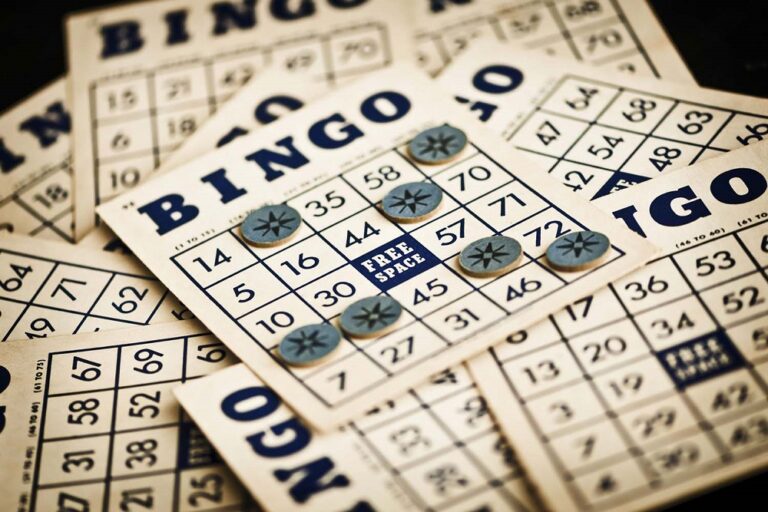
Few games across the globe match the universal appeal of bingo. At first glance, the premise appears deceptively simple: players mark off numbers on a grid as they are called out, competing to be the first to complete a designated pattern. Yet, beneath this straightforward mechanic lies a rich tapestry of cultural history, localized folklore, and diverse social rituals.
Over centuries of international travel and cultural evolution, bingo has adapted to fit the distinct personalities of the nations that embraced it. In one country, it functions as a raucous, theatrical pub event filled with rhyming humor. In another, it serves as a holiday spiritual tradition steeped in dream interpretation, or an outdoor automotive spectacle played across open countryside.
Exploring how bingo is played worldwide reveals far more than numbers drawn from a tumbler. It uncovers a captivating look into local communities, familial bonding, and the universal human desire to celebrate shared good fortune.

Italy and the Historic Roots of Lo Giuoco del Lotto

To understand modern bingo traditions, one must trace the game back to its historic birthplace in sixteenth-century Italy. In 1530, the unified lottery known as Lo Giuoco del Lotto d’Italia was established in Florence. This state-run lottery became a weekly national obsession that continues to run every Saturday. Over the centuries, the domestic variant known as Tombola evolved into the beloved game played across Italian households today.
Tombola is inextricably tied to Italian Christmas and New Year traditions:
  • Holiday Family Gatherings: Following traditional multi-course Christmas Eve dinners, extended families clear dining tables of dinnerware to make room for wooden boards and clay tiles.
  • Markers from the Kitchen: Rather than modern plastic chips or commercial ink dabbers, traditional Italian households mark their numbers using dried red beans, dried chickpea legumes, or fragments of discarded orange peels from the holiday fruit platter.
  • The Role of La Smorfia: In southern Italy, especially in Naples, numbers are not simply numbers; they correspond to La Smorfia, a traditional dream-interpretation lexicon rooted in Neapolitan folklore. Every number from one through ninety represents a specific earthly or metaphysical concept. For instance, calling number one invokes God, number forty-eight represents a speaking dead person, and number seventy-seven stands for devils. An experienced Italian caller does not merely shout the digits, but weaves an impromptu, humorous narrative based on the sequence of symbols drawn.
Italian Tombola is not driven by financial prizes. Instead, families compete for small, symbolic holiday items, kitchen chocolates, or small pocket change, turning the game into an evening of storytelling, communal laughter, and generational continuity.

The United Kingdom: Rhymes, Callouts, and Modern Transformations

Across the United Kingdom, bingo transformed from a post-war recreational staple into a pillar of working-class leisure. During the mid-twentieth century, hundreds of former Art Deco cinema houses were converted into grand, high-ceilinged commercial bingo halls. British bingo historically features a ninety-ball variant, played across cards containing three horizontal lines and nine vertical columns.
The most famous hallmark of British bingo is its classic rhyming slang and call-and-response folklore:
  • Traditional Rhyming Calls: Callers developed a colorful shorthand designed to prevent confusion between similar-sounding digits in echoing halls. Numbers are announced through clever rhymes, historic events, and cultural catchphrases. Number ten becomes Boris’s Den, twenty-two is two little ducks, and seventy-six is trombones, echoing popular musical references.
  • Mandatory Crowd Responses: When certain numbers are announced, tradition dictates that the entire room chant back in unison. If the caller calls out the phrase clickety-click for number sixty-six, players murmur back with military precision.
  • Strict Hall Etiquette: Historically, British bingo halls demanded reverent, church-like silence while numbers were active. Whispering, rustling paper bags, or checking phones drew stern glares and reprimands from dedicated regulars who marked multiple cards at rapid speed.
In recent years, the United Kingdom has revitalized the pastime through an energetic counter-culture known as rave bingo or musical bingo. In converted warehouses and event spaces, young crowds gather for evenings that fuse traditional ninety-ball number calling with live dance music, glow sticks, dance-offs, stage pyrotechnics, and bizarre novelty prizes like giant stuffed animals or mobility scooters. This high-octane twist has introduced an entirely new generation to the social joys of the classic game.

Mexico and Lotería: Folk Art, Poetry, and Iconography

In Mexico and throughout broader Latin America, the game takes the vibrant, artistic form of Lotería. While the core game logic aligns with European bingo, Mexican Lotería completely discards numerical digits on the cards in favor of a deck of fifty-four colorful, illustrated cultural archetypes.
Popularized in the late nineteenth century by the French businessman Don Clemente Jacques, Lotería is as much a visual celebration of Mexican heritage as it is a game of chance:
  • Iconic Illustrated Imagery: The standard Don Clemente card deck showcases iconic folk figures and natural elements. Players scan their four-by-four grid boards, known as tablas, for symbols such as El Gallo (the rooster), La Sirena (the mermaid), El Borracho (the drunkard), El Catrín (the dandy), and La Muerte (death).
  • Poetic and Satirical Riddles: A master caller, known as the gritón, rarely announces the actual name of the card. Instead, they recite an improvised or traditional rhyming riddle that hints at the image. If drawing El Sol (the sun), the caller might chant that it is the cloak of the poor, challenging players to deduce the illustration mentally before placing a dried pinto bean on their board.
  • Fiesta and Marketplace Traditions: Lotería is the beating heart of local church kermeses, neighborhood street fairs, and weekend family get-togethers. The victor traditionally shouts Buenas rather than Bingo to claim the pot, which might consist of baked delicacies, handmade crafts, or modest cash pools.
Lotería functions as a cultural mirror, teaching language, visual symbolism, and poetic rhythm across generations.

Sweden: Drive-In Bingo Across the Summer Countryside

While many nations associate bingo with smoke-free urban halls or cozy living rooms, Sweden developed an unconventional, open-air pastoral tradition: drive-in bingo, known locally as Bilbingo.
Originating during the nineteen-fifties and sixties alongside the rise of personal automobile culture, Bilbingo remains an enduring summer pastime throughout the Swedish countryside:
  • Rural Gathering Grounds: On warm summer weekends, open farm pastures, sports field parking lots, and airstrips in rural Sweden fill with hundreds of passenger vehicles, vintage American classic automobiles, and family station wagons.
  • Horn-Honking Victories: Players sit inside their open cars or set up folding lawn chairs beside their open trunks. The game caller sits perched on an elevated wooden platform or broadcasts through an FM radio transmitter directly into the vehicles’ car stereos. Because shouting from inside a sealed automobile cannot be heard across a field, players who complete a winning pattern lean firmly on their car horns, setting off a chorus of honking across the farmland to claim victory.
  • Community Social Hubs: Bilbingo serves as an outdoor social gathering for rural communities. Tailgating is a central part of the experience, with families setting out thermal flasks of coffee, open-faced sandwiches, and sweet cinnamon cardamom buns between rounds.
This relaxed automotive tradition keeps communities connected across expansive rural landscapes, celebrating the short, sun-drenched Scandinavian summer.

Japan: High-Tech Amusement and Urban Celebrations

In Japan, commercial real-money gambling is heavily restricted by domestic law. Rather than creating high-stakes commercial gaming dens, bingo has evolved into a vibrant social entertainment spectacle featured prominently at modern year-end corporate gatherings, wedding after-parties, and interactive entertainment complexes.
Japanese bingo traditions reflect the nation’s passion for high-tech entertainment and celebratory gift-giving:
  • Nijikai Wedding Celebrations: Bingo is a cornerstone of the traditional Nijikai, the dynamic second-party reception held after formal Japanese wedding ceremonies. Organizers use digitized, neon-lit electronic bingo machines with sweeping audio effects to draw numbers, awarding quirky, high-value consumer prizes to guests, ranging from luxury fruit baskets and wagyu beef vouchers to high-end household electronics.
  • Integrated Arcade Culture: In sprawling urban entertainment arcades, massive multi-player electronic bingo terminals operate using tokens. These multi-tiered electromechanical wonders feature physical pinball-style routing, interactive screens, and synchronized light shows, turning the game into a sensory arcade experience for younger demographics.
  • Bōnenkai Year-End Parties: During December corporate drinking gatherings, known as bōnenkai or forget-the-year parties, bingo is frequently used as the primary icebreaker. It provides a lighthearted environment where rigid corporate hierarchies dissolve, allowing junior employees and senior directors to compete equally for company-sponsored gifts.
By decoupling the game from monetary gambling, Japanese culture highlights bingo as a communal celebration tool that generates excitement and camaraderie.

The United States: Church Basements to Native American Tribal Halls

In the United States, modern bingo was standardized and named by toy salesman Edwin S. Lowe during the Great Depression. Lowe adapted an older carnival country-fair game called Beano, transforming it into a national phenomenon that reshaped charitable fundraising and Native American tribal economic self-determination.
The American experience encompasses two distinct social expressions:
  • Charity and Church Hall Culture: For decades, Friday night bingo in Catholic church basements, volunteer fire stations, and fraternal lodge halls provided vital fundraising for regional community organizations. Characterized by seventy-five-ball grids with a central free space, these sessions introduced specialized heavy ink bottles called daubers, good-luck plastic charms covering the table mats, and traditional patterns like postage stamps, four corners, and outside frames.
  • The Tribal Gaming Revolution: In the late nineteen-seventies, Native American tribes, starting with the Seminole Tribe of Florida and the Cabazon Band of Mission Indians in California, opened high-stakes commercial bingo facilities on sovereign reservation lands. These venues offered prize jackpots far exceeding state-mandated charity ceilings. The legal battles that followed established modern tribal gaming sovereignty across the United States, turning massive, state-of-the-art reservation bingo halls into economic engines that fund infrastructure, healthcare, and education for tribal nations.
From small, fluorescent-lit parish halls to glittering sovereign resort casinos, American bingo remains deeply rooted in community reinvestment and collective entertainment.

Frequently Asked Questions

What is the primary mechanical difference between American bingo and British bingo?
The fundamental difference lies in card layout and total ball counts. American bingo utilizes a seventy-five-ball format played on a five-by-five grid with twenty-four numbered spaces and one central free space, spelling out the word B-I-N-G-O across the vertical columns. British bingo, shared across Australia and parts of Europe, utilizes a ninety-ball system played on a three-by-nine rectangular card containing twenty-seven squares, where each horizontal line features five numbered spaces and four blank spaces.
Why are dried beans or seeds traditionally used as bingo markers in many world cultures?
Prior to the widespread manufacturing of disposable paper cards and specialized felt-tip ink daubers in the mid-twentieth century, bingo cards were made of sturdy cardboard intended for repeated use over decades. Liquid inks would permanently ruin these reusable boards. Dried pinto beans, raw corn kernels, and smooth pebbles were universally accessible, affordable kitchen staples that could be placed gently atop numbers and swept back into a bowl when the round concluded.
How does German bingo incorporate environmental education into its gameplay?
In Germany, a unique televised tradition known as Umweltlotterie Bingo, or Environmental Lottery Bingo, combines Sunday afternoon ninety-ball game broadcasts with nationwide ecological stewardship. A substantial portion of every ticket purchased is directed into a protected federal conservation foundation. During the live weekly television draw, educational nature documentaries air between number announcements, showcasing the specific wildlife reserves, wetlands, and reforestation projects funded directly by the players’ participation.
What is the cultural role of bingo in Australian community clubs?
In Australia, the game is commonly referred to by its historic colloquial name, Housie. Beginning as an informal diversion among armed forces during the First World War, Housie transitioned into a fixture of local Returned and Services League clubs, surf life saving clubs, and sports facilities. It serves primarily as a daytime social gathering for older adults and community volunteers, generating charitable funds to maintain local coastal lifesaving programs and veteran welfare initiatives.
Are there countries where traditional bingo has been declared illegal?
Yes, several nations have heavily restricted or banned commercial bingo under broad anti-gambling statutes. For example, in nations operating under strict religious frameworks, such as Saudi Arabia or Iran, all chance-based games involving stakes or monetary prizes are prohibited. In other jurisdictions, commercial real-money halls are barred, but exemptions are carved out for registered charities, church groups, and social family play where operators retain zero commercial profit.
What is the meaning behind the phrase two little ducks in British bingo calling?
The phrase two little ducks refers to the number twenty-two. British bingo caller slang relies heavily on visual pictograms that resemble the physical shape of the digits. When placed side-by-side, the curved neck and rounded base of the two numerical digits resemble a pair of ducks swimming on water. The caller announces two little ducks, and experienced players instinctively locate and stamp twenty-two on their cards without needing the number stated.
How did the game transition from the historic name Beano to modern Bingo in America?
When Edwin S. Lowe first observed the game at a traveling country carnival in Georgia in 1929, it was called Beano because players marked their numbers using dried beans and shouted Beano when they completed a horizontal or diagonal line. Lowe introduced the game to friends at his New York home. During an energetic round, a woman became so excited upon completing her winning line that she stammered, accidentally shouting out Bingo instead of Beano. Lowe enjoyed the rhythmic sound of the mistake and marketed his standardized commercial boxed game under that name.