
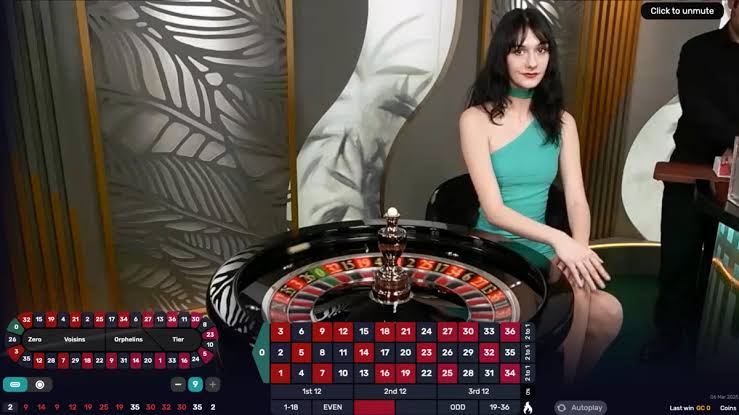
Live roulette interfaces on mobile display a bet history panel that records every wager a player places during a session at the current table. The panel updates in real time and separates round-by-round activity from the summary figures that accumulate across the session. Players using bitcoin roulette online on a mobile interface access this history through the same screen that carries the live stream and betting controls, and the data displayed draws from both the platform’s account layer and the live table’s session record.
Where does bet history data come from?
Two sources feed the best history panel simultaneously. The first is the platform’s account ledger, which records every confirmed bet deduction and every settlement credit as a transaction entry linked to the player’s session. The second is the live table’s session data feed, which transmits round results, bet positions, and payout calculations from the studio’s result-recording system to the operator’s platform at the point of settlement.
When a player places a bet, and the betting window closes, the account ledger records the deduction. When the round settles, and the result is confirmed, the settlement data from the studio feed is matched to the open bet record in the ledger and the round entry is completed with the result, payout amount, and net position for that round. The bet history panel reads from these completed entries rather than from a separate log maintained by the app itself, which means the displayed history is consistent with the account transaction record rather than being a local cache that could differ from the actual ledger.
Sessions history display
A standard session history panel on a live roulette mobile interface shows the following for each completed round:
- Round identifier or timestamp, confirming when the round was played during the current session.
- Bet positions placed, listing each area of the layout where chips were confirmed before the betting window closed.
- Chip value per position, showing the denomination staked at each location on the layout.
- Result for the round, displaying the winning number and colour as returned by the studio’s result feed.
- Payout received, showing the credit applied to the balance for winning positions, including the return of the original stake where applicable.
- Net position for the round, calculated as the total payout minus the total amount wagered in that round.
The display format varies between platforms, with some showing each bet position as a separate line and others consolidating all positions from a single round into one collapsed row that expands on tap.
History across tables
When a player leaves one live roulette table and joins a different one within the same session, the history panel behaviour depends on how the platform scopes its session definition. Platforms that define a session by login period display history from all tables visited during the active login. Platforms that define a session by table show only the history from the current table, clearing or archiving the previous table’s entries when the player switches. Most mobile interfaces used for live roulette default to showing table-level history in the panel visible during play, with a separate full session history accessible through the account or transactions section of the app. This separation keeps the in-play panel focused on the current table’s rounds without filling it with entries from earlier tables visited in the same login window.
History data is stored on the platform’s server rather than on the player’s device, which means clearing the app cache or reinstalling the application does not affect the displayed history. The records remain accessible through the account history section regardless of the device state, because the data resides in the account ledger rather than in local app storage. Bet history extending beyond the current session is typically available in the account transactions section for a defined retention period set by the platform, after which older entries may be archived or accessible only through a support request rather than the standard interface.

Comments are closed.