
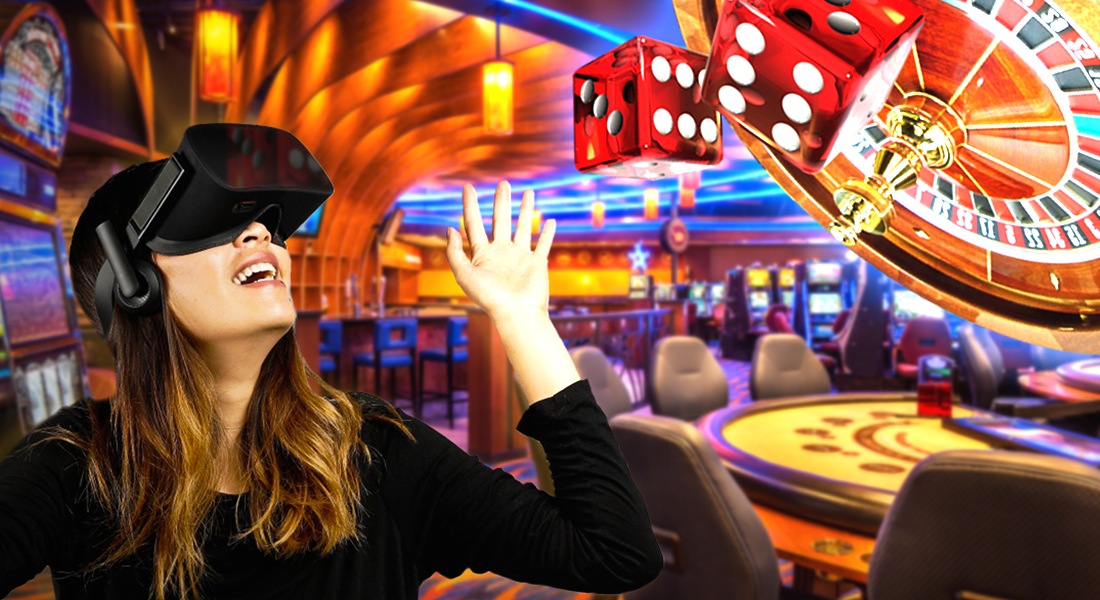
Virtual Reality (VR) technology is reshaping multiple industries, but few sectors hold as much potential for immersive transformation as the world of online casinos. The future of virtual reality casinos is more than a speculative trend; it’s the next major evolution in digital entertainment. Combining cutting-edge VR hardware, lifelike 3D graphics, and real-time multiplayer environments, VR casinos are set to redefine how people experience online gaming, social interaction, and digital economies.
The Rise of Virtual Reality in Online Gaming
Virtual reality has evolved from being a novelty into a cornerstone of next-generation entertainment. The gaming industry was among the first to adopt VR technology due to its natural alignment with immersive experiences. Now, that same immersion is finding its way into online casinos, where users crave not just gaming but the social ambiance and realism of physical casinos. As VR hardware like Meta Quest and HTC Vive become more affordable and accessible, developers are building fully interactive casino environments where players can walk around, chat with others, and experience authentic game mechanics. This transition moves online gambling beyond 2D screens into an experience that feels tangible and personal.
The Core Appeal of VR Casinos
The appeal of VR casinos lies in their ability to replicate the emotional and sensory engagement of real-world gambling. Traditional online casinos rely on visual interfaces, but VR enables users to enter the casino virtually and interact with it in first person. Key elements driving this appeal include:
- Immersive Realism: Players can explore detailed casino environments with realistic lighting, soundscapes, and animations.
- Social Connection: Users can communicate via voice chat, gestures, and avatars, restoring the communal experience of physical casinos.
- Enhanced Interactivity: Games like poker or roulette feel more natural when you can pick up chips, spin the wheel, or read another player’s body language.
- Personalized Avatars: Players can create avatars that reflect their personalities, adding a layer of identity and engagement missing from traditional platforms.
This high level of immersion transforms gambling from a solitary activity into a shared social event, helping users form genuine connections across digital spaces.
Technological Foundations Behind VR Casinos
The future of virtual reality casinos depends heavily on rapid advancements in several technological fields. Three main areas are shaping this evolution:
1. VR Hardware Improvements
The latest headsets offer higher resolution, wider fields of view, and better motion tracking. These enhancements make casino experiences smoother and more realistic, reducing the motion sickness that plagued earlier VR attempts.
2. Blockchain and Digital Wallet Integration
Blockchain technology provides secure, transparent financial transactions. Integrating crypto wallets into VR casinos allows players to make instant deposits and withdrawals while maintaining anonymity and safety.
3. AI and Real-Time Analytics
Artificial intelligence enhances user experience by monitoring player behavior, detecting fraud, and offering tailored game recommendations. AI-driven NPCs (non-player characters) can also simulate dealers or interact naturally with users, creating a lifelike casino atmosphere.
The Evolution of Game Design in VR Casinos
Game design in VR casinos differs significantly from standard online gaming. Developers must account for physical movement, spatial awareness, and natural gestures. For instance:
- Slot Machines: Instead of clicking buttons, players pull virtual levers or tap the screen physically.
- Roulette: The spinning wheel feels tangible, and the ball physics mimic reality.
- Poker: Players can look around the table, observe others’ gestures, and even bluff through subtle expressions.
These elements create a level of psychological realism that engages players on multiple sensory levels, leading to longer play sessions and deeper satisfaction.
Social and Community Aspects
One of the most revolutionary aspects of VR casinos is their ability to rebuild the social culture that online gambling lost. Players can:
- Meet friends at virtual tables
- Join VIP lounges or private rooms
- Attend digital tournaments or live-hosted events
This community-driven dynamic transforms casinos into virtual social hubs rather than isolated gaming platforms. In the long term, this could evolve into a persistent “metaverse casino” where users own digital property, display achievements, and form networks across various VR entertainment venues.
Economic Implications and New Revenue Models
The future of virtual reality casinos also brings innovative monetization opportunities. With VR environments supporting digital assets and NFTs, players could buy exclusive avatar accessories, custom environments, or VIP passes. Developers might create premium experiences that mimic luxury casino resorts, complete with digital concerts, art galleries, and branded events. Furthermore, cross-platform interoperability allows users to bring their assets across multiple VR worlds, creating a cohesive digital economy.
Security and Regulatory Challenges
As VR casinos grow, so do regulatory and ethical concerns. Ensuring fairness, protecting minors, and maintaining data security are top priorities. Future platforms will likely rely on blockchain-based transparency for game outcomes and identity verification to prevent fraud. Additionally, developers must implement responsible gaming features like time limits, expenditure tracking, and virtual reality breaks to avoid excessive immersion that can lead to addiction.
Psychological and Behavioral Dimensions
Virtual reality alters not only how people play but also how they perceive gambling. The immersive nature of VR may amplify emotional engagement, both positive and negative. Realistic surroundings can make winning feel euphoric but losing more intense. That’s why the future of VR casinos depends on ethical design that prioritizes player well-being. Features like “calm zones,” mindfulness prompts, and reminders of real-world time could help balance immersion with responsibility.
Integration with the Metaverse
The merging of virtual reality casinos with the broader metaverse ecosystem is inevitable. In this vision, players can:
- Move seamlessly between casino games, concerts, and social lounges.
- Participate in community events and multiplayer games in shared digital worlds.
- Use one digital identity or wallet across multiple experiences.
The metaverse model opens the door for large-scale virtual tourism, where people explore global casino destinations without leaving home. Imagine stepping into a hyper-realistic Las Vegas strip recreated in VR, complete with other users from around the world.
Future Technologies Shaping the Next Decade
Several emerging technologies will determine how VR casinos evolve in the coming years:
- 5G Connectivity: Faster data speeds enable smooth multiplayer experiences without lag.
- Haptic Feedback Systems: Gloves and suits that simulate touch will make every chip, card, and roulette spin feel authentic.
- Facial Expression Tracking: Advanced sensors will capture player emotions, making social interaction more natural and human-like.
- Mixed Reality Integration: Combining AR and VR allows users to bring physical elements into virtual casino spaces.
As these technologies converge, virtual casinos will become almost indistinguishable from their physical counterparts.
The Role of Artificial Intelligence in Personalized Experiences
AI will play an increasingly vital role in tailoring casino experiences. Through machine learning, platforms can analyze user preferences, track skill levels, and create dynamic gaming environments that adapt to each individual. Examples include:
- Personalized bonuses and rewards
- Adaptive difficulty levels for casual and expert players
- Real-time game suggestions based on mood and activity
This customization ensures that every visit feels unique, boosting engagement and player satisfaction.
Opportunities for Developers and Investors
For developers, the rise of VR casinos represents a chance to build the next wave of immersive entertainment platforms. Investors are particularly interested in startups that combine gaming, blockchain, and VR technology. As market demand grows, companies that can create seamless, secure, and social VR gambling experiences will dominate the space.
Ethical and Cultural Considerations
With technological innovation comes responsibility. Cultural attitudes toward gambling vary worldwide, and developers must respect regional regulations and values. Ethical VR casino design should include:
- Age verification mechanisms
- Transparent game algorithms
- Clear gambling risk education
Responsible development ensures that VR casinos gain public trust while offering a safe and enjoyable experience for all users.
Real-World Applications Beyond Gambling
Interestingly, many of the technologies developed for VR casinos can also benefit other industries. Corporate training, education, and hospitality are adopting similar VR environments for simulation-based learning and social engagement. This crossover accelerates innovation across multiple sectors, reinforcing VR’s position as a transformative force in digital life.
FAQs
What makes VR casinos different from traditional online casinos?
VR casinos allow users to physically move, interact with others, and experience 3D environments, offering far greater immersion than standard online interfaces.
Do I need expensive equipment to access a VR casino?
While high-end headsets improve quality, many modern VR casinos are being optimized for affordable devices and even mixed-reality setups.
Are VR casino games fair and secure?
Yes, reputable platforms use blockchain-based verification and AI-driven monitoring to ensure fairness, transparency, and security.
Can I use cryptocurrency in virtual reality casinos?
Many emerging VR casinos accept cryptocurrencies for deposits and withdrawals, offering faster transactions and enhanced privacy.
Will VR casinos replace real casinos?
Not entirely. While they replicate many aspects of real casinos, physical venues still offer cultural and sensory experiences that technology cannot fully replace. However, VR casinos will complement and expand the overall gambling ecosystem.
This in-depth look at the future of virtual reality casinos highlights a transformative shift from screen-based gaming to fully immersive digital worlds. As technology, AI, and blockchain merge, VR casinos will redefine entertainment, economy, and human interaction—creating a future where virtual experiences feel as real as the physical ones.

Comments are closed.