
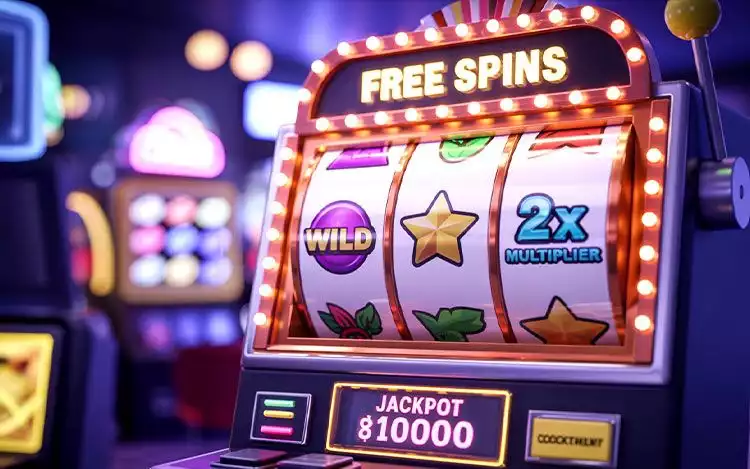
The global gaming industry has undergone an extraordinary shift over the past two decades. In the classic era of mechanical three-reel slot machines, player engagement relied almost exclusively on basic repetitive actions: pull a lever or push a button, watch the cast-iron reels spin, and wait for physical symbols to line up on a single payline. The core psychological appeal was straightforward, driven primarily by raw mathematical probability and the anticipation of a sudden cash jackpot.
Today, that vintage operational model no longer satisfies modern audiences. Contemporary players have grown up surrounded by interactive video games, dynamic mobile applications, and high-fidelity digital media. Simply watching reels spin in isolation is no longer enough to command long-term loyalty or maintain sustained coin-in metrics.
To thrive in this competitive landscape, game design studios and casino operators have transformed modern slot machines from passive gambling terminals into immersive, participatory experiences. By incorporating multi-layered interactive features, skill-influenced elements, branching storylines, and community-driven gameplay, developers have unlocked unprecedented levels of player retention. Examining how these interactive systems function reveals the precise psychological, behavioral, and technological levers that keep players returning to their favorite games.
The Shift from Passive Spectating to Active Agency
The fundamental breakthrough in modern slot retention lies in granting the player a sense of personal agency. In classic slots, the user was entirely a spectator after initiating the wager. The machine processed its predetermined mathematical outcome, and the user had zero perceived control over what transpired on the screen.
While modern slots remain strictly governed by Random Number Generators and rigorous theoretical payback percentages, interactive design introduces the perception of active involvement:
-
The Illusion of Control: When a game invites a player to touch the screen, select a specific treasure chest, or fire an animated projectile, it triggers a psychological cognitive bias known as the illusion of control. Even when the underlying prize distribution is decided instantaneously by algorithmic math, having a direct hand in revealing that prize significantly elevates emotional satisfaction.
-
Heightened Dopamine Release: Neurobiological studies show that anticipation generates substantially higher dopamine surges than the actual receipt of a reward. Interactive sequences draw out this anticipatory window. A multi-stage mini-game creates a sustained narrative arc, keeping cognitive focus sharp and building emotional investment across every decision point.
-
Elimination of Monotony: Passive spinning eventually produces mechanical fatigue, causing players to lose interest and cash out. Breaking up base-game reel spins with lively, interactive interludes resets mental focus and refreshes the player attention span, resulting in longer average session times.
By transforming the player from an onlooker into an active participant, game studios build a deeper emotional connection between the user and the software.
Pick-and-Win Mini-Games and Dynamic Choice Architectures
The most pervasive and durable interactive feature in modern slot development is the pick-and-win bonus round. When a player lands a designated configuration of scatter or bonus symbols, the standard reel grid dissolves, opening a brand-new game screen dedicated to an interactive selection challenge.
These choice-driven architectures take multiple forms, each tuned to drive player retention:
-
Tiered Mystery Selection: Players choose among a field of identical objects, such as golden urns, alien spacecraft, or ancient tombs. Selecting items reveals credit values, free spin multipliers, or advance arrows that elevate the player to a higher, more lucrative level with escalated prize tables.
-
The Sudden-Death Threat: Many pick rounds incorporate pooper or trap symbols. A player continues picking and accumulating monetary rewards until uncovering a skull, bomb, or alarm that immediately ends the feature. This pushes the player into a classic risk-reward dilemma, building genuine tension as every subsequent pick carries heightened stakes.
-
Match-Three Mini-Games: Popularized in progressive jackpot triggers, players tap hidden tiles on a grid to reveal hidden icons. The first three matching icons determine which progressive prize pool—such as Mini, Minor, Major, or Grand—is awarded. The visual reveals create palpable excitement as multiple prize categories fill up simultaneously on the screen.
Choice-based bonuses give players a distinct memory of having shaped their own fortune, making the gameplay loop far more memorable than watching numbers calculate on an ordinary credit meter.
Persistent State Mechanics and Progression Loops
Perhaps the most potent tool borrowed from contemporary video games and mobile app development is the persistent state mechanic. Historically, a slot machine session had zero historical memory. Every individual spin was an isolated island, completely disconnected from what occurred five minutes earlier or three days later.
Persistent progression mechanics have fundamentally transformed this relationship by introducing long-term continuity:
-
Accumulation Systems: A slot machine might display a progress meter, an unfilled map, or a charging talisman directly above the reels. Landing specialized collection symbols during standard base gameplay fills this meter over time. When thirty or fifty tokens are gathered, a premium bonus feature automatically unlocks.
-
Sunk Cost and Session Retention: Once a player has filled eighty percent of a collection bar, walking away feels like abandoning an investment. The player feels a powerful psychological drive to keep playing until the unlocked feature triggers, substantially reducing early session abandonment.
-
Player Account Memory: In modern online platforms and advanced casino loyalty card ecosystems, persistent progress is saved directly to the player profile. An individual can log off for the evening and return days later to find their character levels, accumulated tokens, and unlocked game maps intact. This progression model turns casual, one-time players into dedicated, recurring visitors.
Progression loops transform slot play from a series of disjointed gambling events into an ongoing, rewarding personal journey.
Branching Storylines, Character Progression, and Narrative Immersion
Modern slot machine players increasingly appreciate compelling thematic depth. Studios no longer simply decorate reels with generic fruit symbols, bars, and lucky sevens. Modern video slots function as cinematic experiences featuring rich lore, original animated characters, and evolving storylines.
Interactive narrative elements drive player curiosity and long-term engagement:
-
Player-Selected Volatility and Bonus Paths: When triggering a bonus, sophisticated titles present a fork in the road. A player can select a high-risk, high-volatility path with fewer free spins but enormous multipliers, or a safe, low-volatility path offering dozens of spins with persistent sticky wild symbols. Tailoring the game risk profile to individual player preferences creates personal ownership over the experience.
-
Unlocking Narrative Chapters: In serialized episodic slots, completing bonus events reveals new animated storylines, introduces new heroes or villains, and unlocks alternative base-game backdrops and musical themes. The desire to see what happens next in the story drives extended play, mimicking the binge-viewing appeal of episodic streaming television.
-
Character Upgrades and Skill Trees: Some modern hybrid slots allow users to customize an avatar or allocate skill points earned through play. While these customizations do not alter the fundamental house edge, they modify the visual presentation, cosmetic effects, and types of challenges encountered during bonus modes.
Narrative depth creates emotional resonance, ensuring that players return to a specific title because they care about the world and characters portrayed on the screen.
Community Gaming and Cooperative Bonus Mechanics
While traditional slot play has often been viewed as a solitary activity, human beings are inherently social creatures. Modern land-based casinos and online platforms have tapped into this reality by engineering cooperative, shared interactive experiences.
Multiplayer and social integrations create unique communal energy:
-
Shared Community Display Boards: In land-based properties, banks of linked gaming machines are often positioned beneath massive communal video arrays. When a player on the bank triggers a special feature, it can trigger a community event where everyone actively playing across that bank enters a shared bonus round simultaneously.
-
Cooperative Challenges: Linked community games frequently prompt adjacent seated players to work together, such as collectively battling an animated dragon, selecting puzzle tiles as a team, or cheering on a shared giant prize wheel.
-
Online Social Features and Leaderboards: Digital slot platforms incorporate real-time chat rooms, multiplayer slot tournaments, and competitive leaderboards where players compete for trophy badges and bragging rights.
The social celebration generated by a shared community win elevates excitement across the entire room, turning quiet, solitary play into an interactive group event.
Haptic Feedback, Touch Displays, and Sensory Immersion
Interactive retention is not driven solely by software algorithms; it is heavily reinforced by advanced physical hardware and industrial engineering. Modern gaming terminals are designed to engage all five physical senses, creating a captivating sensory environment.
Key physical innovations that heighten interaction include:
-
Edge-to-Edge Touchscreens and Gesture Controls: Curved 4K touch monitors allow players to trace patterns on the screen, slide objects into place, and swipe symbols with natural, responsive finger gestures, mimicking modern consumer smartphone usage.
-
Directional Haptic Seating: Proprietary gaming chairs incorporate specialized audio transducers and vibration modules built into the seat and lumbar support. When a bonus feature detonates or reels collide, physical shockwaves pulse through the chair, adding tactile weight to virtual events.
-
Gesture-Recognition Cameras: Next-generation physical cabinets utilize motion-tracking optical sensors that allow players to wave their hands in the air to spin wheels, open bonus boxes, or direct animated character movements without physically touching the machine surface.
These multisensory feedback loops root the player firmly in the present moment, creating an immersive entertainment bubble that shields the user from external casino floor distractions.
Balancing Skill-Influenced Features with Regulatory Compliance
As developers pursue higher interactivity, the industry has witnessed the emergence of skill-based and skill-influenced slot machines. These machines integrate elements from classic arcade games, racing simulations, and first-person shooters into the gambling math loop.
Navigating this hybrid landscape requires careful balance:
-
Arcade-Style Bonus Rounds: Instead of picking stationary mystery boxes, a player might steer a racing car around obstacles, aim a virtual crosshair to shoot invading targets, or solve a fast-paced matching puzzle within a thirty-second timer.
-
Rewarding Player Competence: In authorized jurisdictions, higher dexterity, faster reflexes, and strategic choices during the bonus round yield slightly higher mathematical returns or larger credit awards.
-
Regulatory Return Bounds: Strict gaming commission regulations mandate that even skill-based slot machines must maintain statutory return floors and ceilings. The underlying math ensures that a highly skilled video gamer cannot break the machine bank, while an inexperienced player still receives a fair, regulator-approved baseline payout.
Skill-influenced mechanics successfully bridge the gap between traditional casino entertainment and younger video-game-native demographics who demand that personal talent and effort play a role in their gaming outcomes.
Frequently Asked Questions
Does a player skill level during an interactive mini-game actually change the overall house edge of a standard slot machine?
In the vast majority of traditional video slots, interactive mini-games provide only the illusion of skill. The choices you make, such as picking a particular treasure chest or tapping a balloon, reveal a prize that was already calculated and locked in by the Random Number Generator the microsecond you triggered the feature. However, in specifically designated skill-based slot machines approved in jurisdictions like Nevada and New Jersey, your actual physical or mental dexterity during the bonus can slightly influence your financial payout, though the game is still engineered to operate within strict, regulator-approved return-to-player boundaries.
Why do persistent progression slots feature clear collection meters on the main screen?
Progress meters are displayed prominently to leverage the psychological goal-gradient effect, which shows that human beings accelerate their efforts as they perceive themselves getting closer to a goal. Seeing a visual meter that is three-quarters full creates an intuitive desire to finish the task. Players are significantly less likely to leave a machine when they see visual evidence that a valuable bonus trigger is within reach, leading directly to higher session retention and increased coin-in.
How do slot development studios test whether an interactive feature is engaging before releasing a game?
Studios rely heavily on focus group evaluations, usability laboratories, and biometric tracking before submitting a game for formal regulatory approval. Players are observed while interacting with game prototypes, while specialized software measures eye tracking, facial expressions, skin conductance, and heart rate variability. Developers track exactly when players experience boredom, confusion, or peak excitement, using that real-time data to refine pacing, tweak animations, and balance bonus frequencies.
Are pick-and-win bonus features predetermined by the game software before the player touches the screen?
Yes, on standard commercial video slots, the final payout of a pick-and-win bonus round is predetermined by the internal math engine the moment the bonus is triggered. When you tap an object on the glass, the software simply displays the predetermined reward sequence. Many games display the other hidden values afterward to show what you could have won, which reinforces the illusion of personal choice, but the net payout was already locked into the server transaction history.
What is the difference between an episodic slot machine and a standard standalone slot?
A standard standalone slot operates with no long-term memory; every time you sit down, the game is in its default state, and leaving resets everything. An episodic slot machine features ongoing narrative arcs, distinct game worlds, and unlockable character chapters. Using player tracking cards or digital user accounts, the episodic machine saves your progress, allowing you to resume your narrative journey where you left off during your previous visit, similar to saving progress in a home video game.
Why do younger casino players prefer interactive and social slots over traditional mechanical reel slots?
Younger demographics grew up immersed in interactive digital media, mobile gaming, and esports, where personal agency, visual storytelling, and social connection are standard. Traditional three-reel mechanical slots feel overly passive and repetitive to individuals who expect dynamic audiovisual stimulation, strategic choices, and social engagement. Interactive and community slots match these modern entertainment expectations, making the gaming experience feel more like contemporary entertainment rather than an outdated parlor game.
Do interactive bonus rounds take away from the frequency of base-game reel payouts?
Yes, all slot machines operate on a finite mathematical payback budget determined by their theoretical Return to Player percentage. If a game studio allocates a large portion of the overall payback pool to elaborate, high-paying interactive bonus rounds, that capital must be balanced by lowering the frequency or size of base-game line hits. This results in higher mathematical volatility, meaning the base game may feature longer dry spells between wins to fund the lucrative interactive features.

Comments are closed.